Introduction: The Double-Edged Sword of Tenant Fees
In the competitive landscape of residential property management, every decision, from marketing strategies to tenant fees, impacts your bottom line. While tenant fees, including those for pet screening, are often seen as a necessary revenue stream, overcharging can be a double-edged sword. What seems like an immediate gain can, in fact, lead to significant long-term losses, primarily through reduced tenant retention and increased vacancy rates. This article explores the hidden costs of exorbitant pet screening fees and advocates for a modernized compliance infrastructure that fosters fairness, efficiency, and ultimately, higher resident satisfaction and retention.
Beyond the Initial Transaction: The True Cost of High Pet Screening Fees
Vacancy Rates and Lost Revenue
Prospective tenants are increasingly discerning. With numerous options available, they weigh not just rent prices but also the overall cost of moving in, including application fees, administrative fees, and pet screening charges. When these fees, especially for pets, appear excessive or unjustified, quality applicants may simply look elsewhere. This leads to longer vacancy periods, directly impacting your property's revenue. Consider the scenario where a fair pet screening process could attract and retain a tenant for an extra six months. The lost rent from just one month of vacancy due to high fees can easily eclipse any initial pet screening charge. It's a clear case of unleashing hidden revenue by optimizing your multifamily pet compliance rather than relying on punitive fees.
Damaged Reputation and Negative Reviews
In the digital age, a property's reputation precedes it. Tenants share their experiences on review platforms, social media, and through word-of-mouth. Properties perceived as nickel-and-diming residents with excessive or unclear fees quickly earn a negative reputation. This deters future applicants, making it harder to fill vacancies and attract high-quality tenants. A fair, transparent, and streamlined pet screening process, on the other hand, contributes positively to your brand, fostering trust and encouraging positive feedback. The long-term value of a stellar reputation far outweighs the short-term gain from an inflated fee.
The Compliance Conundrum: Balancing Risk and Resident Satisfaction
Property managers face the complex challenge of managing pet policies while navigating intricate legal frameworks. Ensuring compliance with the Fair Housing Act (FHA) and Department of Housing and Urban Development (HUD) guidelines, particularly concerning assistance animals, is paramount. The official HUD guidance on assistance animals clearly outlines expectations for housing providers. Missteps can lead to costly legal battles, fines, and reputational damage.
Navigating FHA, HUD, and ESA Regulations
The rise of emotional support animals (ESAs) has added another layer of complexity. Distinguishing between legitimate assistance animal requests and fraudulent ones requires a robust verification process, without imposing undue burdens on legitimate residents. Many property managers find themselves asking crucial questions about FHA compliance, ESA rules, and verification processes. For detailed answers to common inquiries and clarity on these complex topics, it's beneficial to consult comprehensive resources and FAQs, such as those found at Total Pet Check's FAQ section. A modern compliance infrastructure doesn't just protect you from risk; it empowers you to handle these situations fairly and efficiently, reducing the perceived need for high fees to offset potential liabilities.
Modernizing Your Compliance Infrastructure: A Path to Fairer Fees and Higher Retention
The solution isn't to eliminate pet screening fees entirely, but to ensure they are reasonable, transparent, and justified by a high-quality, efficient service. This is where upgrading your compliance infrastructure becomes critical. By leveraging advanced pet verification software, you can achieve both robust risk mitigation and an enhanced tenant experience.
Streamlined, High-Quality Verification
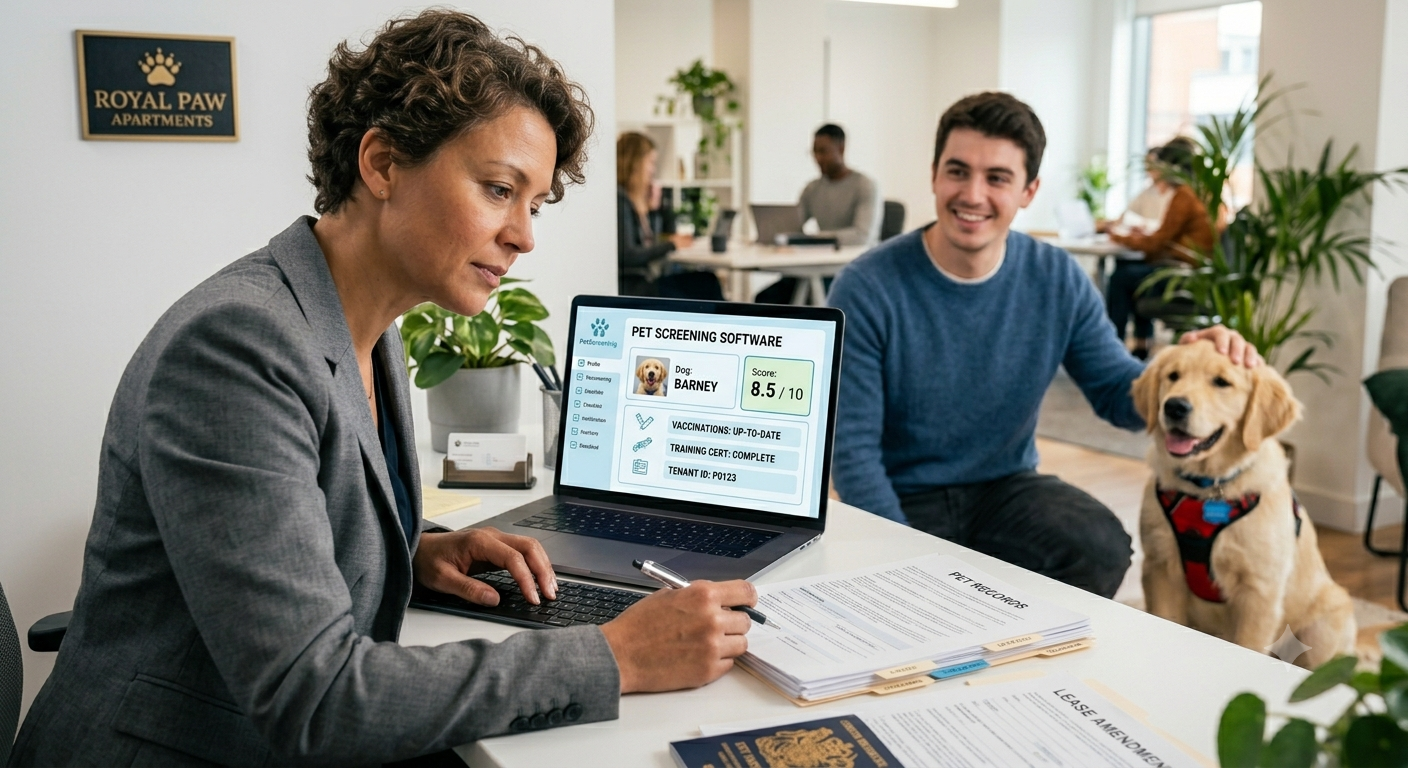
Modern pet verification platforms offer comprehensive screening that goes beyond a simple pet photo. They verify vaccination records, behavioral assessments, and, crucially, legitimate assistance animal documentation, all while providing a consistent and fair process for every applicant. This high-quality, fast pet verification for landlords and tenants ensures that policies are applied equitably, reducing the likelihood of discrimination claims and fostering a sense of fairness among residents. Such systems not only protect your property but also demonstrate a commitment to professionalism that tenants appreciate. Learn more about how high-quality, fast pet verification benefits both landlords and tenants.
Automating for Efficiency, Not Just Enforcement
An upgraded infrastructure automates much of the manual work associated with pet policy enforcement. This includes digital record-keeping, automated reminders for renewals, and integrated systems that streamline the entire pet approval process. By modernizing your pet compliance infrastructure, you reduce administrative overhead, minimize errors, and free up staff to focus on resident relations. This efficiency means you can justify reasonable screening fees with a transparent, value-added service, rather than resorting to arbitrary charges that alienate tenants. The goal is to create a seamless experience that benefits everyone involved, making your property more attractive and competitive.
Invest in an Upgrade, Invest in Your Future
Overcharging for pet screening is a short-sighted strategy that ultimately undermines tenant retention and long-term profitability. By investing in a robust, modern compliance infrastructure, residential property managers can achieve:
- Increased Tenant Retention: Fair and transparent practices build trust and loyalty.
- Reduced Vacancy Rates: An attractive, efficient process draws in more qualified applicants.
- Enhanced Reputation: Positive tenant experiences lead to positive reviews and stronger brand perception.
- Ironclad Compliance: Mitigate legal risks with automated, expert-backed verification.
- Operational Efficiency: Streamline workflows and free up valuable staff time.
The time to upgrade your pet compliance infrastructure is now. Don't let outdated practices and excessive fees erode your tenant base. Empower your team with tools that ensure compliance, optimize operations, and elevate the resident experience. Ready to see how a modern approach can transform your property's pet management? Create your property manager account today and begin your journey towards better compliance and higher retention.
Mia Chan
Mia is the Lead Compliance Researcher at Total Pet Check, specializing in FHA housing policies, HUD assistance animal guidelines, and residential SaaS integrations. She helps property managers navigate the complexities of pet screening and risk mitigation.

Tired of dealing with fake ESA letters?
Total Pet Check handles HUD-compliant therapist verification automatically, shifting the liability off your team. 100% free for property managers.
Create Free Manager Account