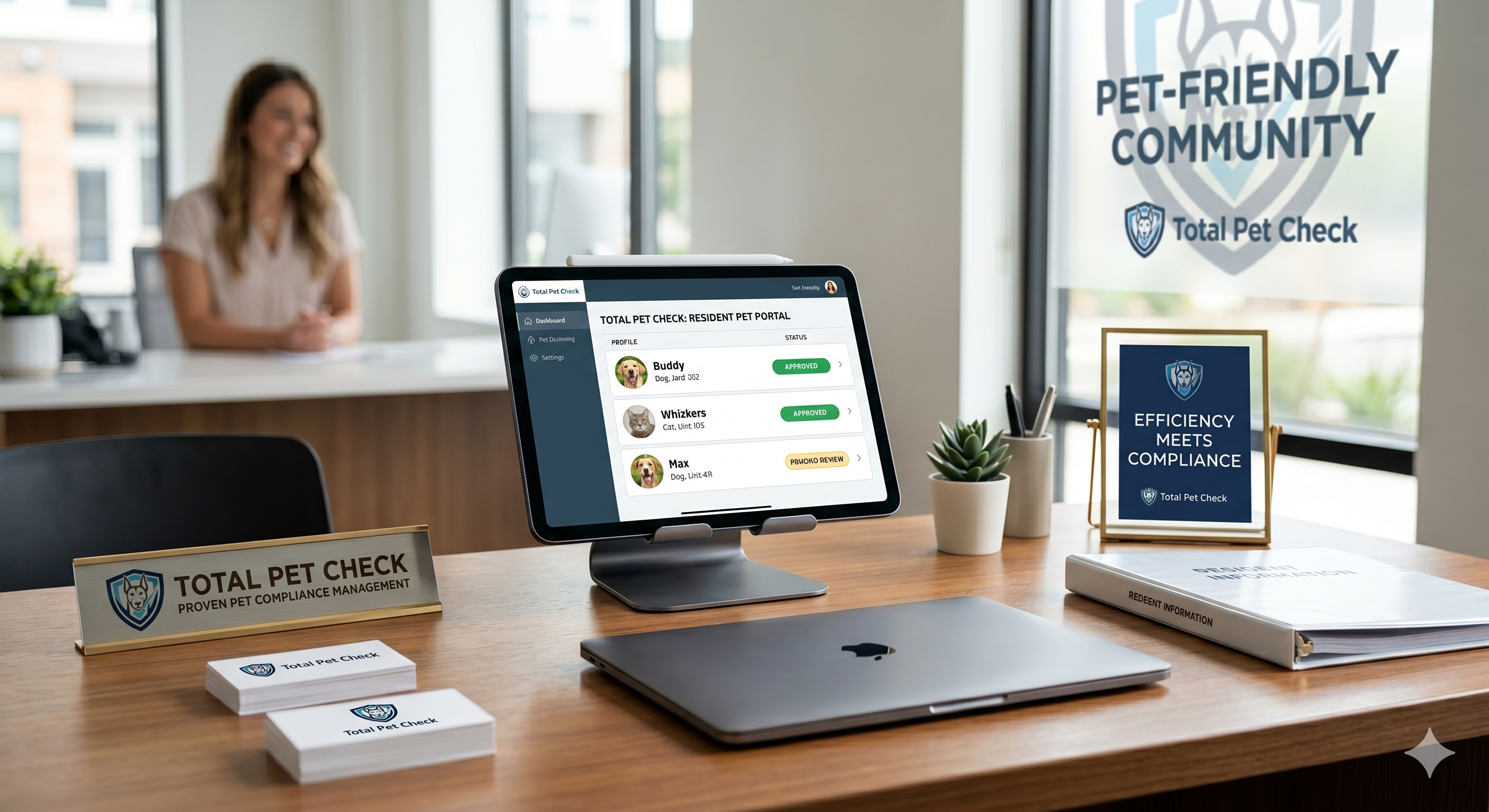
In the dynamic world of residential property management, pet policies have evolved from simple "yes or no" questions into a complex web of regulations, liabilities, and opportunities. For leasing offices, navigating this intricate landscape — particularly concerning emotional support animals (ESAs) and service animals — requires more than just a basic policy. It demands a robust, future-proof compliance infrastructure. Without it, property managers face escalating risks, potential legal battles, and significant revenue leakage.
The Shifting Sands of Pet Compliance: A New Era of Risk and Opportunity
The rise of pet ownership, coupled with increasingly nuanced Fair Housing Act (FHA) and HUD guidelines, has transformed how properties manage animal residents. What was once a straightforward process now involves careful verification, documentation, and a deep understanding of federal mandates regarding assistance animals. The stakes are higher than ever, making it imperative for residential property managers to upgrade their compliance infrastructure.
Consider the challenges:
- FHA & HUD Guidelines: Differentiating between pets, service animals, and ESAs, and adhering to strict non-discriminatory practices. Understanding the official guidance on assistance animals is crucial for all property managers. For detailed information, consult the HUD Office of Fair Housing and Equal Opportunity's resources on assistance animals.
- Fraudulent ESA Letters: The proliferation of "instant" ESA letters online has made verifying legitimate requests a significant hurdle. Learning how to spot these can save you immense trouble; read more about navigating the ESA minefield and spotting fake letters.
- Pet Rent & Fee Management: Accurately tracking pet-related income and ensuring compliance with local ordinances on fees and deposits.
- Liability Mitigation: Protecting your property from potential damages, nuisance complaints, and legal action related to pets or assistance animals.
Why Your Current Manual Processes Are a Liability
Many leasing offices still rely on outdated, manual processes for pet and assistance animal screening. This typically involves:
- Paper applications and physical documentation.
- Time-consuming manual verification calls for ESA letters.
- Spreadsheets for tracking pet rent and vaccination records.
- Inconsistent application of policies across properties or staff.
These methods are not only inefficient but also introduce significant vulnerabilities. They are prone to human error, create compliance gaps, and can lead to costly legal disputes. In today's regulatory climate, relying on such systems is akin to operating without a safety net.
The True Cost of Non-Compliance and Inefficient Systems
The impact of an inadequate pet compliance infrastructure extends far beyond mere inconvenience:
- Legal Fees & Fines: Non-compliance with FHA or HUD regulations can result in substantial fines and protracted legal battles. These can easily run into tens of thousands of dollars per incident.
- Reputational Damage: News of discrimination lawsuits or mismanagement spreads quickly, damaging your brand and making it harder to attract quality residents.
- Revenue Leakage: Inefficient pet verification can mean missing out on legitimate pet rent, while poorly managed assistance animal requests can lead to unnecessary accommodations or legal costs. Moreover, understanding FHA compliance, ESA rules, HUD guidelines, and even DNA testing questions are vital, and you can find many answers in our FAQ section.
- Operational Inefficiency: Staff time spent chasing down documentation or correcting errors is time not spent on leasing or resident satisfaction.
Building a Future-Proof Leasing Office Pet Compliance Infrastructure
The solution lies in adopting a comprehensive, automated, and integrated approach. Here are the core components of a modern compliance infrastructure:
1. Automated & Standardized Pet Verification
Implement a system that standardizes the pet application process, collects all necessary information (breed, weight, vaccinations), and applies your specific pet policies consistently. This reduces human error and ensures every applicant is treated fairly.
2. Robust ESA & Service Animal Verification
This is arguably the most critical component. A modern system must provide a streamlined, legally defensible process for verifying assistance animal requests. This includes:
- Professional Verification: Leveraging third-party expertise to validate documentation and contact healthcare professionals directly, while adhering to privacy laws.
- Clear Guidelines: Providing clear, accessible information for applicants on what constitutes a legitimate assistance animal request.
3. Seamless Integration with Property Management Software
Your compliance tools shouldn't operate in a silo. Integration with platforms like AppFolio, RealPage, and Yardi ensures that pet and assistance animal data flows smoothly into your resident records, streamlining lease agreements, pet rent ledgers, and maintenance requests.
4. Proactive Risk Mitigation & Training
An upgraded infrastructure isn't just about technology; it's also about empowering your team. Regular training on evolving FHA/HUD regulations and how to effectively use your new compliance tools is essential. This proactive approach minimizes legal exposure and builds confidence within your leasing team.
Embrace the Future of Pet Compliance Today
Investing in a modern pet compliance infrastructure is not just an expense; it's a strategic imperative. It protects your assets, enhances your reputation, streamlines operations, and ultimately contributes to your bottom line. By embracing automation, expert verification, and seamless integration, residential property managers can transform their leasing offices from compliance hotspots into models of efficiency and legal adherence.
Ready to secure your property's future? Take the first step towards a bulletproof pet compliance strategy today. Create your property manager account and start experiencing the difference.
Mia Chan
Mia is the Lead Compliance Researcher at Total Pet Check, specializing in FHA housing policies, HUD assistance animal guidelines, and residential SaaS integrations. She helps property managers navigate the complexities of pet policy management and risk mitigation.

Tired of dealing with fake ESA letters?
Total Pet Check handles HUD-compliant therapist verification automatically, shifting the liability off your team. 100% free for property managers.
Create Free Manager Account