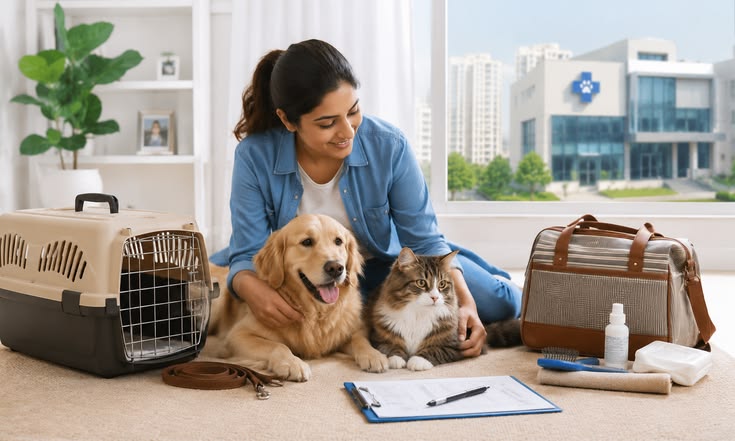
In the dynamic world of property management, consistency is not just a best practice—it's a shield against legal challenges, a cornerstone of positive tenant relations, and a driver of operational efficiency. This holds especially true for pet screening. Without a uniform approach, property managers expose themselves to accusations of discrimination, operational bottlenecks, and increased property damage risks. Establishing a truly consistent pet screening process is paramount in 2026, ensuring fairness, compliance, and peace of mind.
Why a Consistent Pet Screening Process is Critical
An inconsistent pet screening process can lead to a multitude of problems. Imagine two applicants with similar pets, one approved, the other denied, based on subjective criteria or differing staff interpretations. This scenario immediately raises red flags for potential Fair Housing violations and fosters tenant resentment. Beyond legal exposure, inconsistency leads to:
- Increased Administrative Burden: Without clear guidelines, each application becomes a unique, time-consuming assessment.
- Higher Risk of Property Damage: Inadequate screening means potentially problematic pets slip through the cracks.
- Uncollected Pet Rent/Fees: Inconsistent tracking can lead to lost revenue.
- Damaged Reputation: Unfair practices can quickly spread through tenant communities and online reviews.
A standardized process mitigates these risks, creating a predictable and equitable experience for all applicants.
Pillars of a Robust, Consistent Pet Screening Framework
Building a consistent pet screening process requires a strategic, multi-faceted approach. Here are the essential components:
1. Develop a Clear, Comprehensive Pet Policy
The foundation of consistency is a well-defined pet policy. This document should explicitly outline:
- Accepted Pet Types and Breeds: Be specific about any restrictions, ensuring they are non-discriminatory and justifiable.
- Weight and Size Limits: If applicable, state these clearly.
- Number of Pets Allowed: Set a clear maximum.
- Pet Fees, Deposits, and Rent: Detail all associated costs.
- Required Vaccinations and Licensing: Mandate up-to-date health records.
- Behavioral Expectations: Outline rules for noise, waste disposal, and leash use.
Ensure this policy is readily available to all prospective tenants and consistently applied. For more insights on crafting effective policies, explore our article on Crafting an Ironclad Pet Policy: Fairness, Consistency, and Compliance in 2026.
2. Implement a Standardized Application and Documentation Protocol
Every pet owner applicant should complete the same pet screening application. This application should collect objective data, including:
- Pet's species, breed, age, and weight.
- Veterinarian contact information.
- Proof of vaccinations and licensing.
- Previous landlord references for pet behavior.
- Photos of the pet.
The goal is to gather all necessary information uniformly, ensuring no applicant receives preferential or discriminatory treatment based on what information is requested.
3. Clearly Differentiate Pets from Assistance Animals
This is arguably the most critical aspect of compliance and consistency. Assistance animals (service animals and emotional support animals) are not considered pets under federal fair housing laws and require a distinct verification process. Property managers must understand what they can and cannot ask when an applicant requests an accommodation for an assistance animal. For guidance on federal guidelines, refer to resources from HUD's Office of Fair Housing and Equal Opportunity. A truly effective pet screening process must include a separate, compliant pathway for assistance animal requests to avoid legal pitfalls. Our article, Beyond the Bark: What a Truly Effective Pet Screening Process Verifies for Property Managers, delves deeper into this distinction.
4. Establish Objective Verification Protocols
Consistency demands objective verification. This means:
- Veterinarian Contact: Always verify vaccination records and health status directly with the vet.
- Previous Landlord References: Consistently contact former landlords to inquire about pet behavior, damages, and tenant compliance with pet policies.
- Behavioral Assessments (if applicable): If your policy includes specific behavioral criteria, ensure the assessment method is standardized and applied equally.
- DNA Pet Waste Management: For properties utilizing DNA pet waste programs, integrate this into your screening and onboarding for all pet owners.
Avoid subjective judgments based on appearance or personal biases. Focus on verifiable facts and documented history.
5. Ensure Consistent Enforcement and Communication
Consistency doesn't end at the application stage. It extends to ongoing enforcement of pet policies and clear communication with tenants. All staff members involved in property management should be trained on the established pet policy and screening process. This ensures that rules are applied uniformly, from initial screening to addressing any future pet-related issues. Regular audits of pet records can help maintain accuracy and identify any inconsistencies that may have crept in.
The Benefits of a Streamlined Approach
By implementing a consistent pet screening process, property managers can expect significant returns:
- Reduced Legal Risk: Minimizing the likelihood of discrimination claims.
- Improved Tenant Satisfaction: Fair and transparent processes lead to happier residents.
- Lower Property Damage Costs: Better screening means fewer problematic pets.
- Increased Operational Efficiency: Streamlined workflows save time and resources.
- Enhanced Property Value: Well-managed pet policies contribute to a desirable living environment.
Achieving this level of consistency can be complex, especially with the nuances of assistance animal verification and the need for thorough documentation. This is where specialized tools become invaluable.
Total Pet Check: Your Partner in Consistent Pet Screening
Total Pet Check provides the clinical verification infrastructure property managers need to implement a truly consistent, compliant, and efficient pet screening process. Our platform standardizes pet and assistance animal verification, ensuring every applicant is evaluated against the same objective criteria. From verifying legitimate assistance animal requests to streamlining pet rent collection and integrating with DNA pet waste management, Total Pet Check eliminates guesswork and reduces administrative burden. By partnering with Total Pet Check, you can safeguard your properties, protect against fraud, and ensure a fair, consistent experience for all residents. To learn more about how our system can transform your pet policies, we invite you to create a property manager account today.
Mia Chan
Mia is the Lead Compliance Researcher at Total Pet Check, specializing in FHA housing policies, HUD assistance animal guidelines, and residential SaaS integrations. She helps property managers navigate the complexities of pet policy management and risk mitigation.

Tired of dealing with fake ESA letters?
Total Pet Check handles HUD-compliant therapist verification automatically, shifting the liability off your team. 100% free for property managers.
Create Free Manager Account